

The Seven Modern Wonders of the World are essential landmarks chosen through a worldwide vote in 2007. They reflect human creativity, resilience, and cultural diversity.
Each one carries a rich history and a deep symbolic meaning. This article explores their origins, meanings, and global influence.


What Are the Seven Modern Wonders?
Understanding what qualifies as a modern wonder helps you appreciate its global recognition. These structures were selected for their historical significance, architectural brilliance, and cultural symbolism.
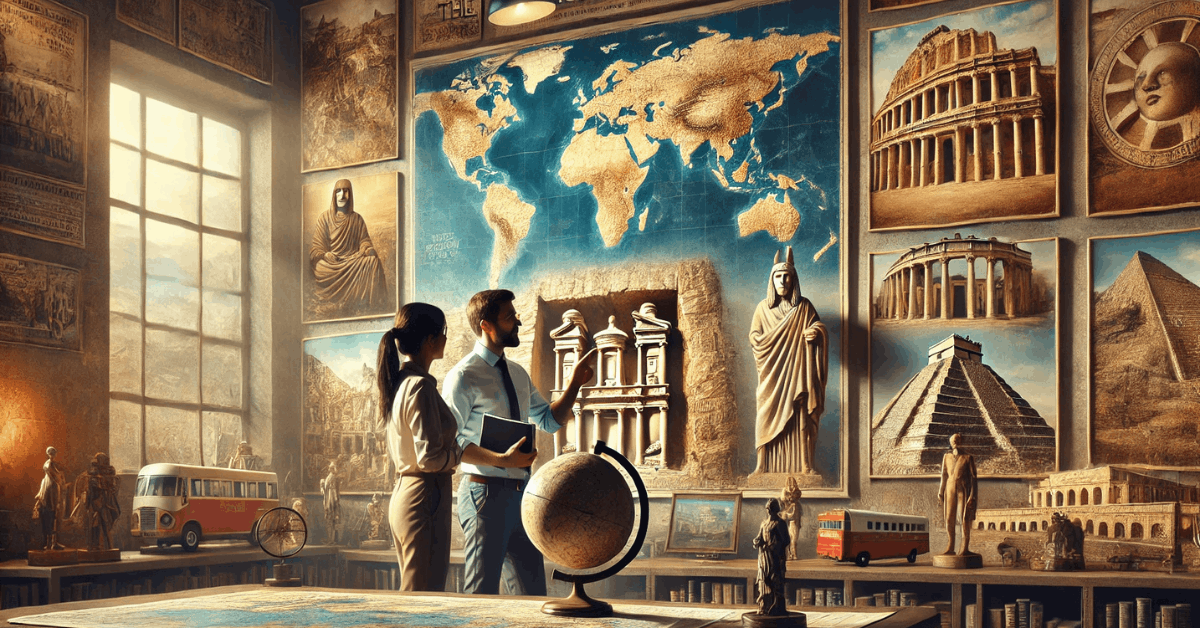
Great Wall of China
The Great Wall of China stretches over 13,000 miles and is a defensive barrier against invasions. Built over several centuries, it represents military strength and national resilience.
Today, it stands as a symbol of unity for the Chinese people. Its visibility from space is a common myth but underscores its vast presence.
Petra
Petra is an ancient city carved into red sandstone cliffs in southern Jordan. It was once a thriving trade center of the Nabataean civilization.
Known as the "Rose City," Petra showcases unique rock-cut architecture. It reflects ingenuity in engineering and cultural adaptation to the desert.
Christ the Redeemer
Christ the Redeemer is a 98-foot statue overlooking Rio de Janeiro. Built in 1931, it symbolizes peace, forgiveness, and Brazilian spiritual identity.
Its outstretched arms are seen as a gesture of welcome to all. It has become a global icon representing Latin American Christianity.
Machu Picchu
Machu Picchu is an ancient Incan city set in the Andes Mountains. It was rediscovered in 1911 and is believed to have been a royal estate or sacred site.
The complex features precise stonework and terraced landscapes. It reflects the Inca's deep respect for nature and the cosmos.
Chichen Itza
Chichen Itza was a large pre-Columbian city built by the Maya. It includes the Pyramid of Kukulkan, which aligns with astronomical events.
The site was a religious, cultural, and economic hub. It illustrates the advanced knowledge and rituals of the Maya civilization.
Roman Colosseum
The Roman Colosseum is a massive amphitheater located in Rome, Italy. Built in the first century AD, it hosted gladiator battles and public events.
It showcases Roman architectural innovation and societal structure. Today, it stands as a reminder of both grandeur and brutality.
Taj Mahal
The Taj Mahal is a white marble mausoleum in Agra, India. It was built by Emperor Shah Jahan in memory of his wife, Mumtaz Mahal.
The structure blends Persian, Islamic, and Indian styles. It is a universal symbol of love, loss, and artistic achievement.
The History Behind the Selection
These modern wonders were not chosen by experts alone. They were selected through a global effort led by a private initiative.
Who Initiated It and Why?
The New7Wonders Foundation launched the campaign in 2000 to refresh the idea of world wonders using a global vote. The selection concluded in 2007, with over 100 million votes cast from people worldwide.
The initiative aimed to unite people across cultures by celebrating shared global heritage. It became a modern digital movement driven by public participation.
Criteria for Selection
The chosen wonders had to be human-made, accessible, and culturally or historically significant. Organizers prioritized sites that were widely recognizable and symbolized national pride.
The idea was to select sites that stood as living representations of history. Popularity and global emotional connection played major roles in the outcome.
Cultural and Symbolic Meaning of Each Wonder
Each of the Seven Wonders holds deep meaning beyond its appearance. These meanings connect with the culture, religion, or values of the people who built them.

Monument-by-Monument Analysis
The Great Wall of China reflects unity, strength, and national protection. Petra stands for mystery, survival, and cultural richness of the Nabataeans.
Christ the Redeemer expresses spiritual grace, peace, and Brazilian faith. Machu Picchu shows harmony with nature, sacred beliefs, and Incan innovation.
Chichen Itza blends astronomy, faith, and Mayan culture. The Colosseum and Taj Mahal reflect legacy, devotion, and human expression.
Economic and Tourism Impact
Becoming a Modern Wonder changed how the world views and visits these sites. The tourism and local economies saw major shifts after the announcement.
Boost in Global Tourism
Each site experienced a sharp increase in international tourism after being named. Governments invested in infrastructure, including roads, airports, and visitor centers.
Tour operators developed special packages highlighting these destinations. For many countries, these wonders became central to their tourism branding.
Challenges of Mass Tourism
With more tourists came new problems. Some sites faced damage from overcrowding, erosion, and pollution.
Authorities in Machu Picchu and Chichen Itza implemented visitor limits to protect the integrity of the locations. Balancing access and preservation became a global conversation.
Preservation and UNESCO Involvement
Preserving these wonders is essential for future generations. Most of them are also UNESCO World Heritage Sites, which adds global responsibility.
UNESCO provides guidance, technical support, and funding to preserve these monuments. National governments work with global organizations to restore damaged areas and control visitor impact.
For example, the Taj Mahal undergoes regular cleaning and pollution control. The Colosseum receives structural reinforcements to maintain its integrity.
Criticisms and Controversies
Not everyone agreed with the selection or the process. The New7Wonders initiative sparked criticism from historians and cultural organizations.
Some argued that the campaign was more of a popularity contest than an objective process. Others felt that some equally important sites were ignored.
Including sites with ongoing restoration or limited historical documentation was also debated. Despite these concerns, the campaign raised public interest in world heritage.
Global Impact on Cultural Identity
These wonders have become more than tourist spots. They now act as symbols of national identity and global connection.
The Taj Mahal appears in films, art, and advertisements worldwide. The Great Wall has become a symbol of Chinese strength and pride.
Christ the Redeemer represents Brazil in global events like the Olympics. These sites inspire education, documentaries, and cross-cultural appreciation.
Conclusion: Why These Wonders Still Matter?
The Seven Modern Wonders are more than just impressive buildings. They represent human achievement, cultural diversity, and shared history.
Through tourism and preservation, they influence both local and global identity. Their legacy will continue shaping how we value the past and build the future.