

Thunder is a common natural sound, but it often causes fear. Many people afraid of thunder experience anxiety, especially during storms.
This fear affects both children and adults. It can range from mild anxiety to intense panic. This article explains the psychological, physiological, and cultural reasons behind it.



What Is Thunder and Why Does It Happen?
To understand fear, you need to understand the trigger. Thunder is the sound produced by lightning due to rapid air expansion.
It follows a flash of lightning and can vary in volume depending on distance. This unpredictability and loudness are what make it alarming to many people.
Thunder can be distant rumbles or sudden loud cracks. When it's close, it often feels like a threat and causes anxiety.
The Science Behind Fear of Thunder - Astraphobia
Fear of thunder and lightning is called astraphobia. It is a specific phobia that affects both children and adults.
The brain sees thunder as a threat, triggering the body’s fight-or-flight response. The amygdala processes the sound and causes a surge of stress hormones.
This reaction leads to feelings of panic or dread. Even if you know thunder isn’t dangerous, your body may still react.
Common Symptoms of Thunder Fear
Understanding these symptoms helps you identify and manage the fear more effectively. Below is a list of the most common responses people experience during storms.
- Tension and sweating: You may feel physically tense, start sweating, or even shake as thunder approaches.
- Crying or hiding: Some individuals, especially children, might cry or hide during a thunderstorm.
- Avoidance behavior: Fear can lead to avoiding outdoor activities or refusing to leave home during stormy seasons.
- Emotional reactions: Common responses include panic, irritability, and heightened anxiety.
- Covering ears: Many people instinctively cover their ears to block out the sound.
- Clinging to others: Children may run to adults or seek reassurance through physical closeness.
Why Children Are More Affected?
Children are more sensitive to new and loud sounds. Their brains haven’t learned to interpret thunder as harmless yet. Many fears stem from a lack of understanding and imagination.
The sound of thunder can seem dangerous or unknown. How parents react during storms influences children’s responses. Calm behavior from adults helps children feel safe.

Can Adults Be Afraid of Thunder?
Yes, adults can also fear thunder, especially after trauma. Some people develop this fear later due to panic disorders or anxiety.
Loud noises can trigger bad memories or loss of control. Adults may suppress fear more than children, but still feel intense unease.
Social expectations make adults less likely to admit it. The emotional and physical reactions are still real.
Environmental and Cultural Factors
Your environment shapes how you react to thunder. People in storm-heavy areas may get used to it or develop stronger fears. Cultural beliefs also influence reactions.
In some places, thunder is seen as a sign of danger or punishment. Superstitions and the media can exaggerate fear. If your culture feared storms, you probably learned that response, too.
How the Brain Processes Loud Noises?
The brain treats loud, sudden sounds as potential threats. This response evolved to keep people safe in dangerous environments.
When thunder strikes, the brain doesn’t distinguish between actual danger and loud noise. This explains why people afraid of thunder might react instinctively.
Even with knowledge, the body still releases stress hormones. Understanding this helps reduce guilt or shame about the fear.
Can Pets Sense Thunder and Mirror Our Fears?
Yes, pets often react to thunder similarly to humans. Dogs and cats may hide, tremble, or seek comfort. Their behavior can also increase our own stress.
If you're anxious during storms, your pet might become more alert or distressed. This feedback loop can make storm anxiety worse. Calming your pet can also help calm yourself.
How to Manage or Reduce Fear of Thunder?
Coping with thunder fear is possible with the right strategies. It starts with understanding that your fear is real but manageable. The tips below provide practical ways to reduce anxiety during storms.
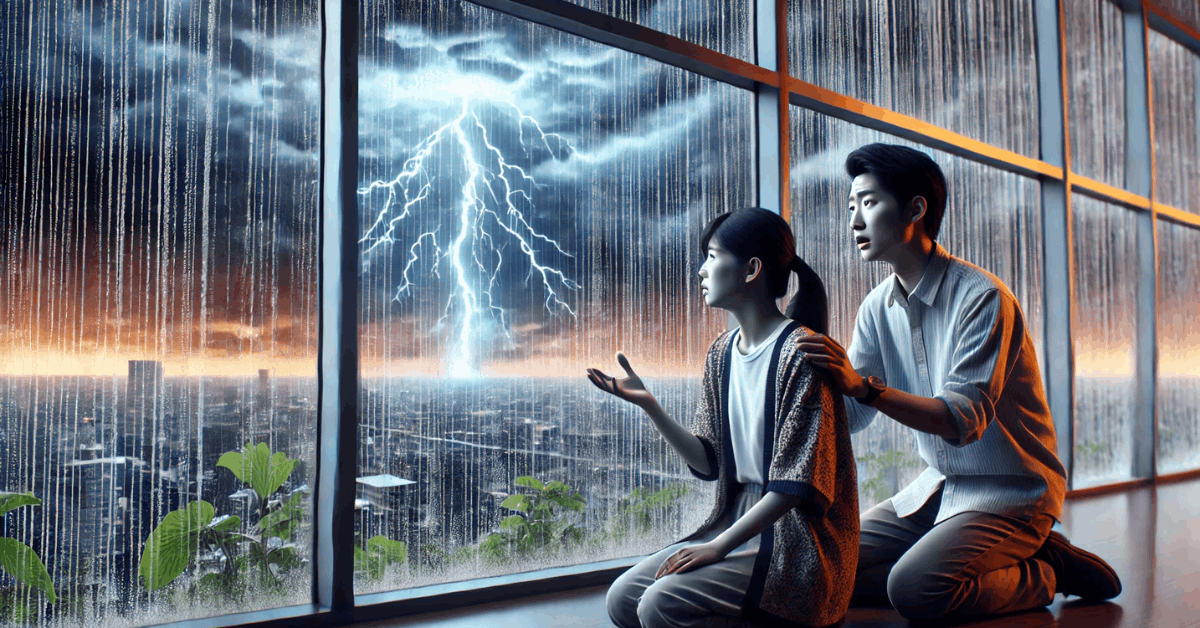
- Stay informed: Check the National Weather Service so you’re not caught off guard. Knowing when a storm will happen helps you prepare.
- Create a safe space: Find a comfortable room where you feel protected. Close the curtains and stay away from windows.
- Use distractions: Watch a movie, play music, or engage in a calming activity. Keeping your mind busy helps shift focus away from the storm.
- Practice deep breathing: Breathing exercises reduce the body’s stress response. Inhale slowly, hold, and exhale gradually.
- Avoid stimulants: Don’t drink caffeine or alcohol during storms. These can increase anxiety levels.
These steps don’t remove the fear entirely, but they reduce its impact.
Helping Children Cope with Thunder Fear
Children rely on adults to model how to respond to fear. If your child is afraid of thunder, your reaction matters. Use these techniques to help them stay calm and feel safe.
- Explain thunder simply: Say it's just the sky making noise because of lightning. Keep it factual but friendly.
- Create a fun routine: Make a storm activity like reading a book or playing a quiet game. Routine helps reduce anxiety.
- Offer comfort items: Let them hold a favorite toy or blanket. Familiar objects give a sense of control and safety.
- Stay close and calm: Sit with them and speak in a calm voice. Your presence reassures them.
- Teach coping techniques: Show them how to take deep breaths or count slowly. These habits build emotional resilience.
Over time, these habits reduce fear and help the child handle storms better.
When to Seek Help?
Sometimes, fear of thunder becomes disruptive. If someone avoids leaving home or shows signs of panic, they may need help.
Therapy can address deep-rooted anxiety and provide better coping tools. Cognitive Behavioral Therapy (CBT) is often effective. Learn more about CBT from the American Psychological Association.
Talking to a professional helps put the fear in perspective. You don’t have to handle severe anxiety alone.
Final Words: A Healthy Way to Face the Storm
Fear of thunder is more common than people admit. Whether it started in childhood or developed later, the key is understanding and managing your reaction.
Fear doesn’t make you weak—it makes you human. With knowledge and the right strategies, you can face any storm calmly.