

Ancient recipes reveal how early civilizations thought about food, health, and ritual. The oldest known recipe offers a glimpse into ancient culture and cooking methods.
It dates back over 3,700 years. This article breaks it down for you.



What Makes Something a Recipe?
Before we explore the oldest recipe, you need to understand what counts as a recipe. A recipe must show a method, ingredients, and purpose.
Early recipes were often practical but carried symbolic weight too. A recipe doesn’t need exact measurements to be valid.
In ancient times, people relied on skill and observation. What matters most is that the process is recorded. That’s what we see in the oldest examples.
Found in Ancient Mesopotamia
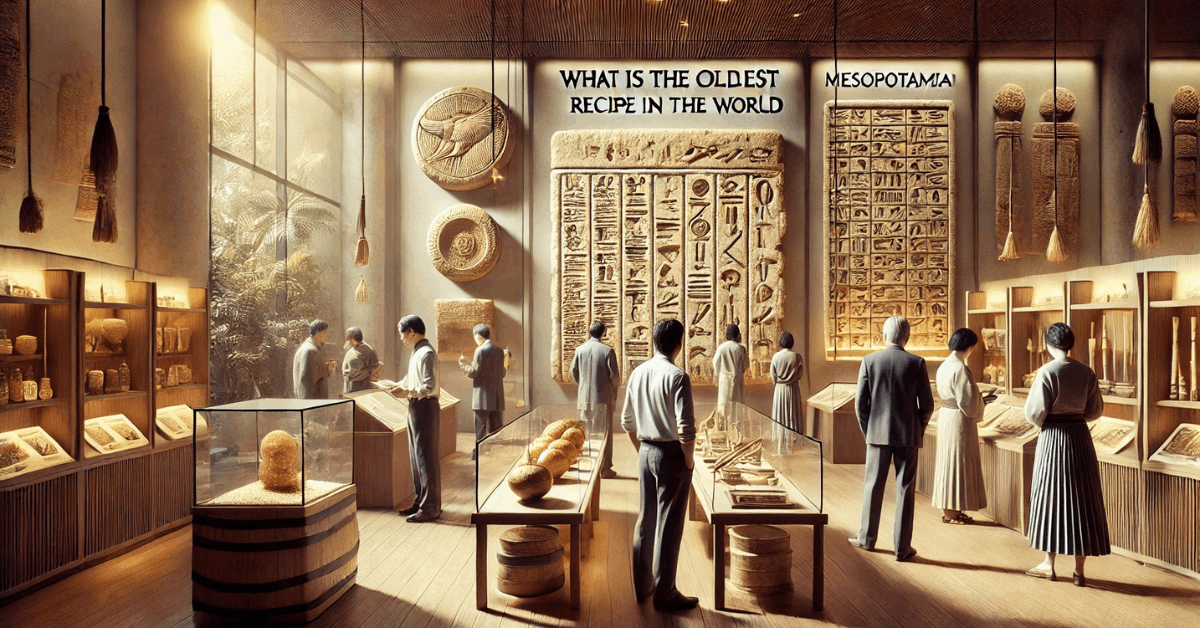
The oldest recorded recipes were discovered in Mesopotamia. They were written on clay tablets using cuneiform script.
These artifacts come from the Yale Babylonian Collection. They date back to around 1700 BCE. That means they are over 3,700 years old.
The tablets likely came from the city of Babylon. Their content is focused on stews, broths, and meal preparations.
What Did the Recipes Include?
The Mesopotamian tablets contain about 35 recipes. Most are for stews using meat and vegetables.
Ingredients mentioned include lamb, onions, garlic, and leeks. These foods were cooked with spices, broth, and fat. Instructions are brief and don’t mention quantities.
Cooks at the time were expected to know how much to use. These were not home-cooking recipes; they were likely for temple or elite kitchens.
Cooking Methods of the Time
To prepare these meals, cooks used fire pits and clay pots. Food was boiled, roasted, or fried in animal fat. Spices were added at different stages.
There were no thermometers or timers. Cooking depended on experience. Tools included clay ovens, knives, and stirrers. The dishes likely had both flavor and function.
Why Write Recipes in 1700 BCE?
These recipes weren’t meant for the general public. They served a larger purpose. Many were probably linked to rituals and offerings to gods.
Temples had specialized cooks. Food prepared for rituals had to follow specific steps. Writing these steps ensured consistency. It also preserved culinary knowledge.
Decoding Ancient Instructions
Translating the Mesopotamian tablets wasn’t easy. Linguists worked for years to understand them. The language used was Akkadian.
The tablets don’t give precise steps. They assume the reader is trained. That’s why some words remain unclear. Scholars compared food terms with later sources to figure them out.
Recreating Ancient Stews
Modern chefs and researchers have tried to recreate these recipes. They use translated texts and substitute ancient ingredients.
Some results are surprisingly tasty. For example, Yale University partnered with chefs to cook lamb stew using authentic spices.
The result was rich and earthy. It shows how advanced Mesopotamian cooking was. These meals weren’t basic—they were complex.
What the Recipes Reveal About the Culture?
The recipes show that food was central to daily life and ritual. They reveal trade routes through ingredient diversity.
Spices like cumin and coriander had to be imported. Meat was used often, showing its availability.
The presence of grain suggests agriculture's importance. Food was not just for survival; it was ceremonial. Recipes were tied to social structure and religion.
Other Ancient Recipes Worth Knowing
Besides Mesopotamia, other civilizations also recorded food preparation. Egyptians left beer-brewing notes in hieroglyphs. Romans published full cookbooks, like Apicius.
In China, recipes were mixed with medicine. Some were meant to restore balance in the body. These texts were written on bamboo or silk. They show that cooking and healing were connected.
Highlights from the Mesopotamian Tablets
The tablets list a variety of stews. Some are meat-based; others are vegetarian. Ingredients included fat, salt, barley, and herbs.
Common patterns included simmering meat, adding aromatics, and finishing with herbs. Some recipes mention specific types of bowls.
This suggests presentation mattered. These weren’t random meals—they were thoughtfully prepared.
Bullet Breakdown: Core Elements of the Recipes
These elements show up consistently across the oldest known recipes. Each one played a key role in food preparation.
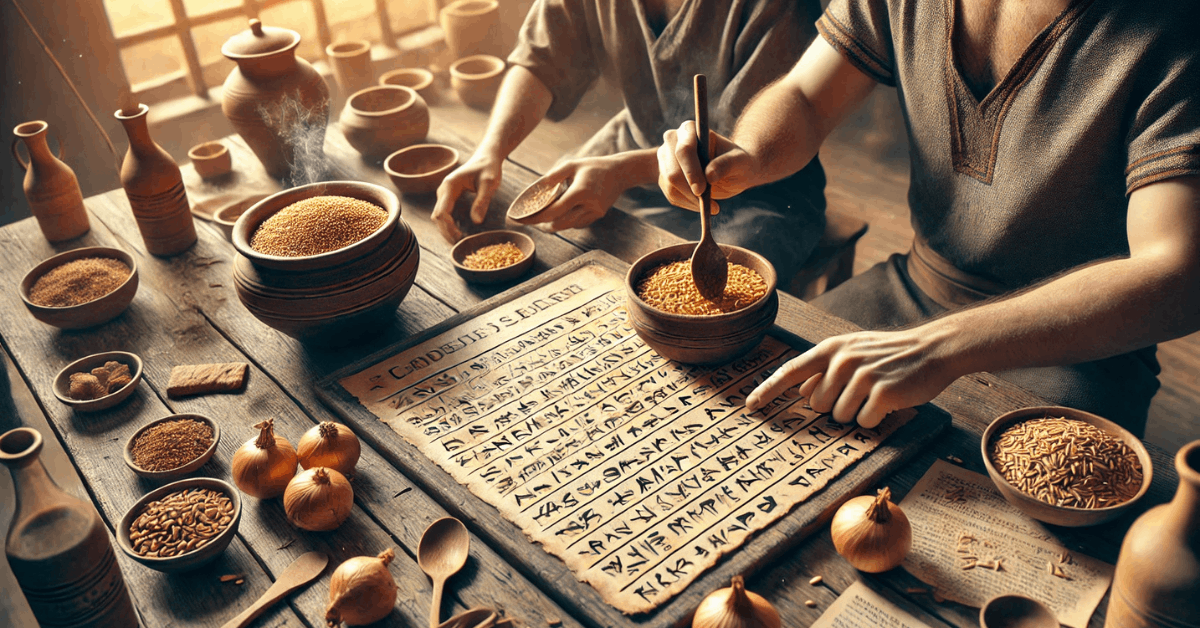
- Main ingredients: Lamb, garlic, onion, leek, barley.
- Preparation method: Boiling in broth, roasting, or frying in fat.
- Spices used: Coriander, cumin, and salt.
- Purpose: Ritual offering, elite consumption.
- Cooking tools: Clay pots, fire pits, stone grinders.
These components confirm that early cooking was detailed and intentional.
Influence on Future Cuisines
The Mesopotamian way of cooking spread to nearby regions. The use of stews and spice blends appears in Persian, Turkish, and Arabic cuisines.
Even today, many recipes echo ancient structure. The idea of layering flavors is still common. Cooking with broth, fat, and aromatics remains standard.
These techniques traveled with traders and empires. The foundation of modern Middle Eastern cuisine begins here.
Preservation of Food Knowledge
Writing recipes was a way to preserve memory. Without it, knowledge would disappear. Ancient civilizations understood this.
Recording cooking practices helped pass them down. Scribes copied tablets for students. This is why we still have them today. It’s early culinary documentation.
The Role of Food in Social Hierarchies
In ancient Mesopotamia, food wasn’t just nourishment—it reflected status. Higher-quality ingredients and complex dishes were reserved for the elite.
Servants and lower-class citizens likely had simpler meals. Recipes helped define social roles. Who ate what—and how it was prepared—showed where you stood. Recipes reinforced power structures.
The Religious and Ceremonial Meaning
Many recipes had a spiritual function. Ingredients and methods were selected to please the gods.
Food offerings were part of religious festivals. Certain dishes were exclusive to priests or deities.
The act of cooking was sometimes seen as a sacred duty. These meals were more than sustenance—they were offerings of faith.
Early Culinary Education and Apprenticeship
The complexity of some recipes suggests a system of training. Elite cooks likely learned from masters through apprenticeship.
These roles were respected in temple settings. Recipes served as educational tools, even without exact measurements.
Written instructions preserved methods across generations. This system laid the groundwork for structured culinary knowledge.
Conclusion: Why Ancient Recipes Still Matter?
The world’s oldest known recipe teaches more than just how to cook stew. It shows how people lived, what they valued, and how they shared knowledge.
These recipes were tools for ritual, survival, and tradition. Understanding them connects you to the origins of human culture through food.