

Applying for a Yoshinoya job in Japan hits different when your Japanese still stumbles over keigo. The hiring page looks simple enough. The interview? That's where things get real for foreign applicants.
A beef bowl chain might seem like a low-stakes first job. But Yoshinoya runs a tight ship, and the speed expected during a Tokyo lunch rush can shock someone used to a slower pace.
So should a foreign student on a visa even bother? Absolutely. Yoshinoya jobs remain some of the more accessible part-time positions in Japan's food industry, and the pay stays competitive for the sector.
This breakdown covers roles, pay structure, application steps, and some honest friction points that other guides skip entirely.
What Types of Yoshinoya Jobs Are Open in 2026
The hiring structure at Yoshinoya splits into four distinct roles, and each one carries a very different daily workload. Picking the wrong one for your Japanese level or schedule can make a good opportunity feel miserable fast.
Front Counter Staff at Yoshinoya
Front counter work means taking orders, processing payments, and greeting customers. During peak mealtimes, especially the 11:30 AM to 1:30 PM lunch window, the line moves fast.
Counter staff need to hear orders clearly, confirm them, and handle cash or IC card payments without delay.
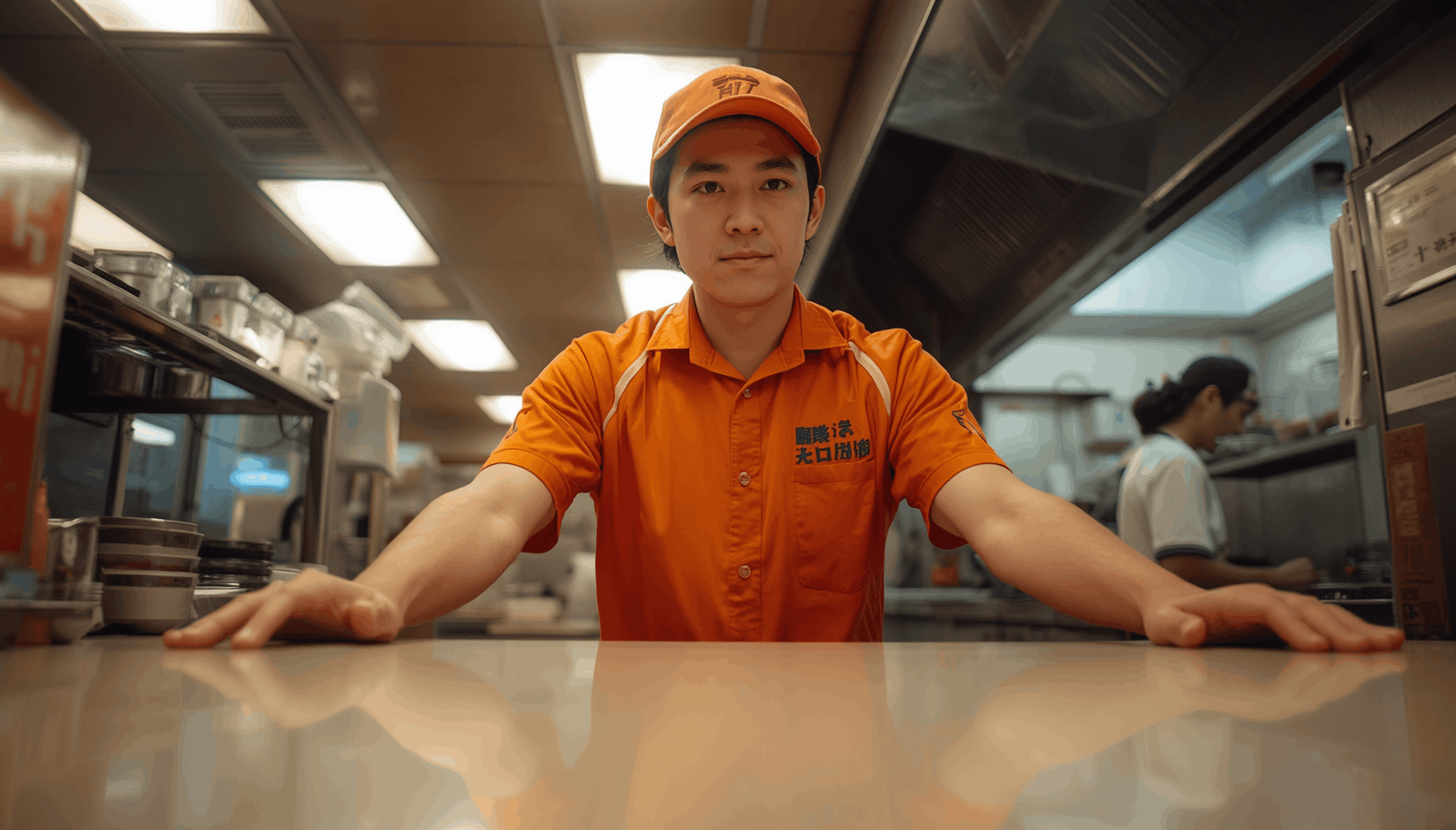
For a foreign worker whose listening comprehension drops under pressure, this role can be brutal during rushes. The job calms down between peaks, but those two-hour surges define the position.
Kitchen Crew Positions
Kitchen crew prepares ingredients and cooks menu items. The focus is speed and accuracy. Communication happens, but mostly through short commands and repetitive routines.
I think the kitchen crew is the smarter first pick for foreign students at Yoshinoya, specifically because the language demands are lower during high-pressure moments.
Counter roles get praised as "better for building Japanese skills," but learning a language while fumbling a customer's change during a 40-person lunch rush is stressful, not educational.
Shift Supervisor Roles
Shift supervisors manage scheduling, support team members, and check that procedures run correctly.
These roles almost always go to people who started as part-time staff and proved they could handle the pace. Expect to spend 6 to 12 months in a lower role before a supervisor position opens up.
Store Manager Track
Store managers handle inventory control, staff management, and daily operations. Internal promotion is the standard path. Yoshinoya tends to fill manager positions from within rather than hiring externally.
| Role | Japanese Level Needed | Typical Schedule Flexibility | Promotion Path |
|---|---|---|---|
| Front Counter | Intermediate (keigo expected) | High (shift-based) | Supervisor after 6+ months |
| Kitchen Crew | Basic conversational | High (shift-based) | Supervisor after 6+ months |
| Shift Supervisor | Upper intermediate | Moderate (fixed shifts common) | Store Manager |
| Store Manager | Business-level | Low (full-time required) | Regional roles |
Kitchen crew offers the lowest language barrier for entry, which makes it the most practical starting point for students still building fluency.
Yoshinoya Hiring Process Step by Step
Getting hired at Yoshinoya follows a predictable pattern, but the small details matter more than the big steps. One misstep on document preparation can delay everything by weeks.
Finding Open Yoshinoya Positions
Job listings appear on the Yoshinoya official careers page and on aggregators like TownWork and Indeed Japan. Some branches post hiring signs directly on the restaurant window, which is easy to miss if you're ordering through the app.
Search by station name rather than city. Yoshinoya locations cluster around train stations, and listings organized by station tell you the exact commute time.
Submitting the Application
The application asks for personal information, work history, and availability. Three things trip up foreign applicants more than anything:
- Availability slots: Listing only weekday evenings looks limited. Branches want coverage during weekday lunches (the busiest period) and late-night shifts after 10 PM. The more windows you can offer, the stronger your application.
- Residence card details: Have your zairyu card number ready. Some online forms require it during initial submission, not just at the interview.
- Visa work permission: A student visa allows up to 28 hours per week during the school term. Make sure your shikakugai katsudo kyoka (permission to engage in activities other than those permitted by your visa status) stamp is current before applying.
The Yoshinoya Interview
Interviews at Yoshinoya tend to be short. Expect 15 to 20 minutes, conducted in Japanese even for non-native speakers. The questions focus on availability, attitude, and whether you can handle busy periods.
Dress neatly but not formally. Bring your residence card and a printed copy of your schedule.
And here's a detail nobody mentions: showing up 10 minutes early matters more at Japanese chain restaurants than at independent cafes.
Punctuality is the single clearest signal of reliability, and hiring managers at Yoshinoya have said exactly that in employee reviews on TownWork.
Yoshinoya Pay and Benefits Worth Knowing
Hourly pay at Yoshinoya varies by region, but it tracks close to prefectural minimum wage plus a small bump. Tokyo branches tend to pay more per hour than rural locations, which makes sense given cost of living differences.
Hourly Rates and Late-Night Premiums
Late-night shifts (after 10 PM) come with a legally mandated 25% wage premium. For a student balancing school and rent, those late shifts add up fast. A 4-hour shift after 10 PM earns roughly the same as a 5-hour daytime shift at base rate.
Overtime pay follows standard Japanese labor law: anything beyond 8 hours in a single day or 40 hours in a week triggers a 25% premium. On the student visa 28-hour cap, overtime rarely applies, but full-time staff benefit directly.
Meal Discounts and Training Pay
Every shift typically includes a free or discounted meal. The training period is also paid, which matters because some smaller restaurants in Japan expect unpaid "trial" days. Yoshinoya does not.
Team evaluations happen periodically, and strong performance can lead to hourly rate bumps. The exact increase depends on the branch manager, so this is one area where individual experience varies a lot.
What Daily Life at Yoshinoya Feels Like
The part nobody prepares you for is the physical reality. A Yoshinoya shift means standing for the entire duration. There is no sitting. Kitchen crew works near heat sources for hours. Counter staff repeat the same greeting hundreds of times per shift.
Rush Hour Pressure
Lunch and dinner rushes define the Yoshinoya work experience. Orders come in waves, and the kitchen needs to push out beef bowls within minutes.
The structured system helps: every step follows a set order, and training covers the exact process. But rigid protocols also mean any deviation gets noticed. Dropping a bowl, skipping a step, or falling behind on the prep line creates a visible bottleneck.
This structured environment suits people who like clear rules and predictable routines. Anyone who prefers flexibility or creative problem-solving on the job may find the repetition draining after a few months.
The Camaraderie Factor
Teams at busy Yoshinoya branches tend to bond quickly. Shared pressure during rushes builds a sense of solidarity that slower workplaces rarely produce. Staff who enjoy teamwork and fast-paced conditions often rate the atmosphere positively.
Quieter branches at suburban stations feel completely different. Fewer customers means less urgency, but also fewer hours available and a slower path to any kind of advancement.
Growing Beyond Part-Time at Yoshinoya
Some foreign workers use Yoshinoya as a stepping stone: earn money, build Japanese skills, then move on. Others climb the internal ladder. Both paths are valid, and the company has a track record of promoting from within.
Training and Certification Paths
As staff move into supervisor or management roles, Yoshinoya offers additional training in food safety certification and leadership.
Long-term employees sometimes get the chance to train at dedicated company facilities or transfer between branches in different regions.
The food safety training is worth completing even if you plan to leave eventually. That certification transfers to other food service jobs across Japan, and it signals to future employers that you've worked in a regulated kitchen environment.
Honest Downsides to Consider
No job review is complete without the friction:
- Repetitive tasks wear on motivation. Cooking the same menu items on every shift gets monotonous by month three.
- Peak-hour stress varies wildly by location. A Shinjuku branch at noon and a Chiba suburb at noon are two entirely different jobs.
- Early morning and late-night shifts may conflict with class schedules, and some branches prioritize applicants who can cover those less popular time slots.
Questions People Ask About Yoshinoya Jobs in Japan
Q: Can I work at Yoshinoya with basic Japanese? Kitchen crew positions at some branches accept applicants with basic conversational ability. Front counter roles almost always require intermediate Japanese because of direct customer interaction during rushes. Check individual branch listings for specific language requirements.
Q: How many hours can a foreign student work at Yoshinoya per week? The student visa caps work at 28 hours per week during the academic term. During official school holidays, that limit extends to 40 hours per week. Yoshinoya tracks these hours, and exceeding the cap can put your visa status at risk.
Q: Does Yoshinoya provide uniforms and training for free? Uniforms are typically provided at no cost. Training periods are paid at the standard hourly rate. This is worth confirming at your specific branch during the interview, since policies can vary slightly between franchise and corporate-owned locations.
Q: How long does it take to get promoted at Yoshinoya? Moving from part-time crew to shift supervisor generally takes 6 to 12 months of consistent work. The timeline depends on branch needs, your schedule availability, and performance evaluations. Manager roles require full-time status and business-level Japanese.
Q: Is Yoshinoya a good first job for someone new to Japan? The structured training and predictable routines make it a manageable entry point. But expect physical demands and fast-paced rushes that take adjustment. The discounted meals and paid training period also reduce the financial pressure of starting out.
Conclusion
A Yoshinoya part-time job gives foreign students in Japan a reliable paycheck and practical language exposure. Kitchen crew positions offer the lowest language barrier for first-time applicants entering food service.
The structured training transfers well to other restaurant jobs if you decide to move on later. Start by checking branch-specific listings near your station, since requirements and available shifts differ by location.